[Picture: Martijn Stamm, Director Mobility at TNO]
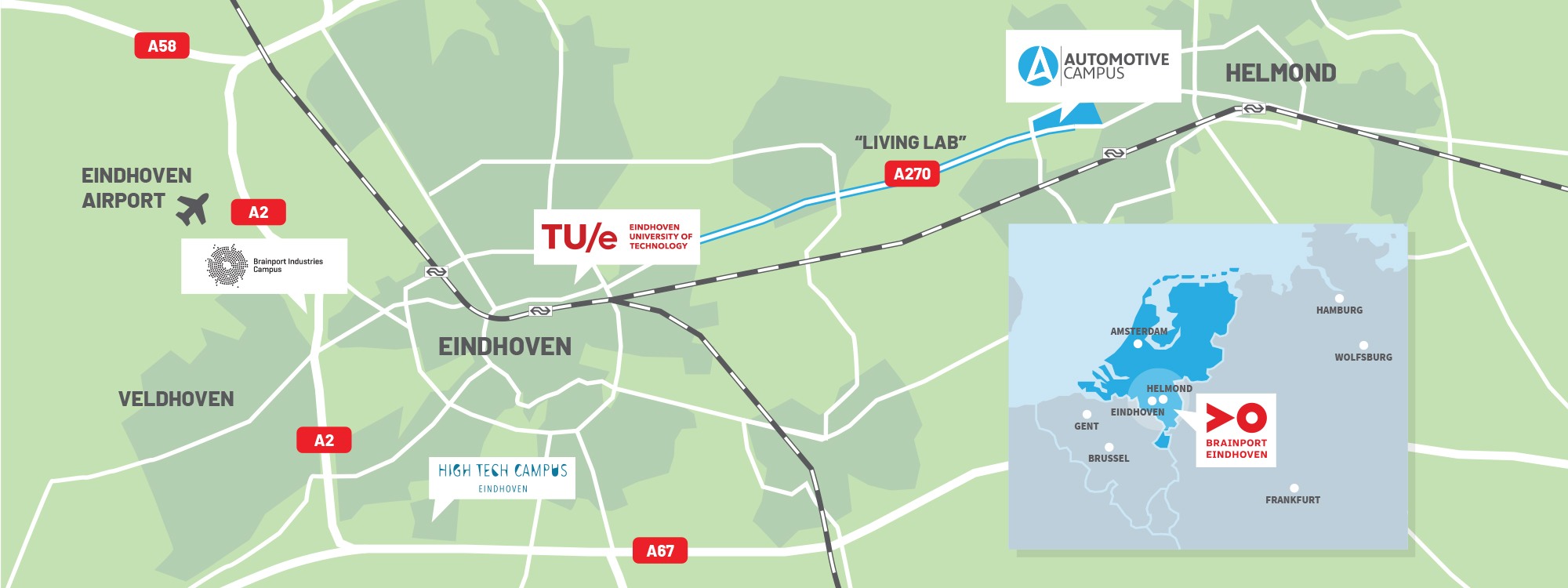
TNO has officially expanded its Powertrains Test Centre on the Automotive Campus with new, state-of-the-art facilities that extend its capabilities from the automotive sector into the maritime domain. This strategic expansion enables the development and testing of sustainable propulsion solutions for inland shipping and maritime applications.
Sector Perspective: Transition Path for Inland Shipping
The new maritime test cell is a high-power facility designed to accommodate large marine engines and advanced after-treatment systems. Complementing this is a fully equipped Hydrogen Fuel Park, offering high-pressure hydrogen infrastructure with capacity for up to three tube trailers. In addition, TNO has introduced a dedicated hydrogen test cell capable of testing engines up to 700 kW, suitable for both hydrogen and methanol combustion concepts.
These extended capabilities are unique in Europe—and in some cases worldwide. By covering the entire trajectory from conceptual design to prototype development and upscaling, TNO provides an essential innovation platform for companies developing clean maritime propulsion technologies.
“TNO is ready to work with industry partners on realizing sustainable mobility solutions,” the organisation emphasized during the opening.
During the event, Khalid Tachi of EICB (Expertise- en InnovatieCentrum Binnenvaart) provided a sector-wide perspective on the transition toward 2050. He highlighted that the inland shipping industry will require a combination of combustion technologies and electrification, making alternative fuels indispensable.
According to Tachi, the most promising energy carriers for the sector include green methanol, hydrogen, green LNG, and electricity. While frontrunners in inland shipping already demonstrate that hydrogen and electrification are viable, the challenges remain significant. The Total Cost of Ownership (TCO) of alternative fuels is still considerably higher than that of diesel.
Subsidizing investment costs alone will not be enough to accelerate full-sector adoption, Tachi noted. To meet climate targets, additional measures will be required to make diesel progressively less attractive and stimulate the transition to cleaner alternatives.